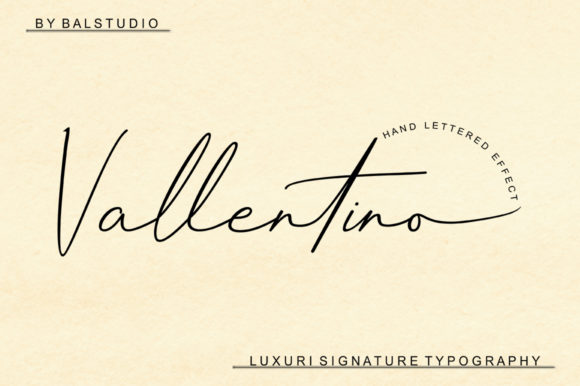
Sehaty: A Script Font with Sophisticated Swashes
There’s a moment in every branding project where you open a blank brand board and feel the weight of the decision ahead. That’s when I first tested Sehaty on a logo concept for a boutique identity project. The font arrived with an elegance that felt both classic and contemporary, and it immediately caught my eye. As someone who works across logos, packaging, and social media graphics, I was curious to see how Sehaty would perform in real-world design scenarios.
The First Impression: Elegance Meets Boldness
Sehaty is a handwritten font with bold swashes that exude sophistication. Its curves are fluid yet deliberate, making it feel like something you’d find in a well-curated stationery shop or a luxury lifestyle brand. The swashes add a decorative flair without overwhelming the text, which makes it versatile for different applications. When I first used it on a logo draft, I was struck by its ability to convey both warmth and professionalism. It’s not just a script font—it’s a statement.
Testing in Real Projects: From Logo to Packaging
I started by using Sehaty as the primary typeface for a boutique logo. The bold swashes worked well with a minimalist emblem, adding visual interest without complicating the design. I then moved to a packaging mockup for a skincare product line, where Sehaty was paired with a clean sans serif font for body text. The contrast between the two fonts created a balanced look that felt modern and refined.
On a business card, Sehaty stood out as the headline font. Its legibility at small sizes was impressive, though I noticed that the swashes could be slightly crowded in tight spaces. For longer text, such as a website header or social media post, I found that Sehaty was better suited for short phrases or accents rather than long paragraphs. It’s a display font at heart, meant to draw attention rather than carry heavy content.
Font Pairing and Design Flexibility
One of the strengths of Sehaty is its adaptability. When paired with a serif font like Garamond or a sans serif like Montserrat, it creates a dynamic contrast that works well in editorial design or brand identity systems. I also experimented with using it as an accent font in web design, where it added a touch of personality to hero sections and call-to-action buttons.
For a local café’s visual refresh, I used Sehaty on menu headers and signage, complementing it with a geometric sans serif for the body copy. This combination brought a sense of playfulness while maintaining a professional tone. On Instagram posts and flyers, Sehaty helped create a cohesive brand aesthetic that felt both elegant and approachable.
Limitations and Considerations
While Sehaty is a standout font, it’s not without its limitations. In projects that require extensive body text, such as brochures or long-form content, its decorative nature can make readability challenging. I’ve also found that at very small sizes, the swashes can become less legible, especially on digital platforms where screen resolution varies.
Additionally, Sehaty may not be the best choice for formal corporate branding. Its handmade feel is more aligned with creative studios, handmade shops, or lifestyle brands that want to convey a personal touch. If your project leans toward a more structured or traditional look, you might want to consider a different script or serif font.
Practical Tips for Using Sehaty
If you’re considering Sehaty for a client project, it’s important to test it in various contexts before finalizing. Use it in mockups for logos, packaging, and social media assets to see how it performs under different conditions. Pay attention to how it looks on printed materials versus digital screens, and ensure it aligns with the overall brand voice and aesthetic.
When pairing Sehaty with other fonts, experiment with contrasting styles to maintain balance. Don’t hesitate to use its swashes sparingly—too much can overwhelm a design. Also, check if the font includes ligatures, alternates, and weights that can enhance your typography choices.
Finally, always verify the commercial licensing terms before using Sehaty in client work. Whether it’s for a brand identity system, packaging, or digital templates, ensuring proper usage is essential for both legal compliance and professional credibility.